

China and the US can make nice, if not peace
Feed: SCMP – Hong Kong | 2026-09-25 21:30
Advertisement
As I see it
China and the US can make nice, if not peace
Outright enmity is too costly for both superpowers. Even without trust, shared interests leave room for pragmatic cooperation
3-MIN READ3-MIN
Alex Lo has been an SCMP columnist since 2012, commenting on China and international affairs.
Washington and Beijing have spent nearly a decade trading tariffs, export controls and blacklists, with each round threatening rupture. Yet they keep recovering from the brink.
Tensions soared before summits and plunged immediately after. For example, in 2019 at Osaka, Trump walked back threats to impose tariffs on US$300 billion of Chinese goods and eased curbs on Huawei after Beijing reportedly agreed to buy American farm goods. In Busan last October, he lowered tariffs and shelved export controls on thousands of Chinese companies after Xi Jinping suspended some rare earth restrictions and resumed soybean purchases.
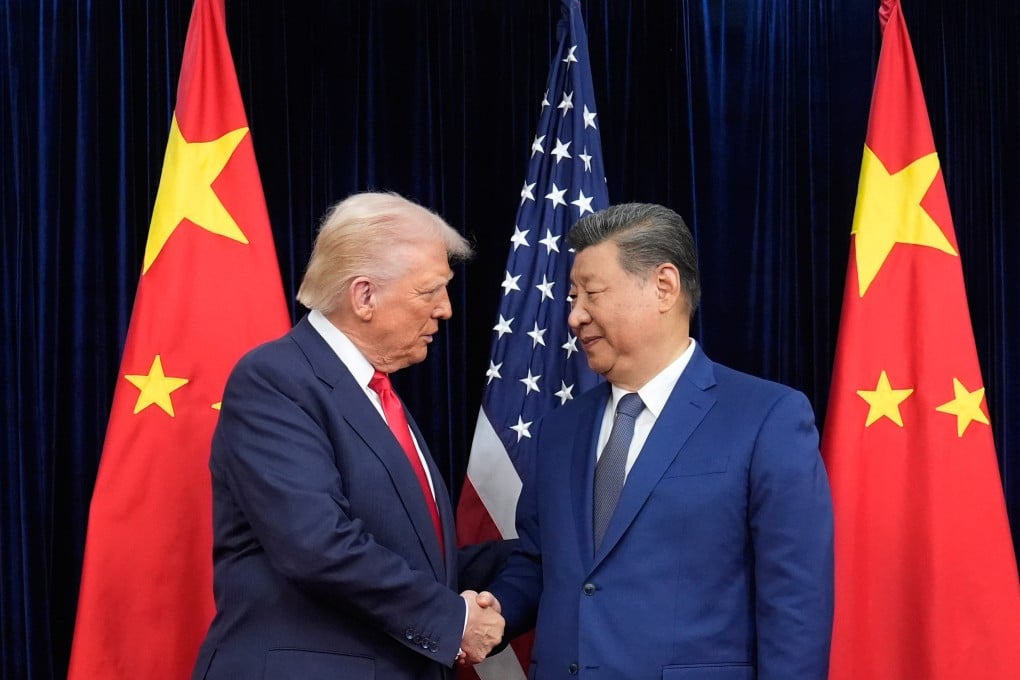
As the two presidents met at the White House this week, that pattern was repeating. Simply put, decoupling is proving ruinously expensive on both sides: two-way goods and services trade fell 25.1 per cent last year to an estimated US$494.6 billion, with American goods exports to China down 26 per cent.
Select Voice
Select Speed
1x
AI-generated voice